
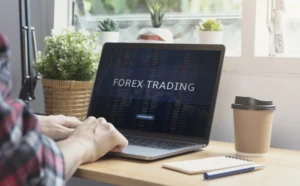
As 2026 is coming, people across the world are asking the same question: how to trade safely in 2026 without being a professional trader. The world of finance has changed rapidly. Artificial intelligence, instant access to trading apps, and global economic shifts have made the markets more connected — and more unpredictable. Yet one truth remains: safe trading is not about luck or complex systems; it’s about discipline, awareness, and smart choices.
You don’t need to be an expert or spend years studying finance to protect your money. What you need is the right mindset, a structured plan, and simple risk management principles. This guide will walk you through every practical step so you can confidently understand how to trade safely in 2026, even as markets evolve.
Why Safe Trading Will Matter More in 2026
The year 2026 will test every trader’s ability to manage emotions and adapt. Inflation may stabilise in some economies, but energy prices, central bank decisions, and global elections will continue to influence currencies, commodities, and stock indexes.
Beginners entering this environment must realise that trading is not about predicting; it’s about preparing. When you plan and control your risk, the outcome becomes sustainable. Professionals who survive long-term aren’t always right; they’re simply better at managing what happens when they’re wrong.
Safe trading tips for non-experts centre around small, consistent wins and long-term protection. You’ll find that the slower, steadier approach often outperforms aggressive short-term gambling. In 2026, safety is not about avoiding trades — it’s about choosing the right ones and handling them wisely.
Understanding What “Safe” Really Means
When people talk about how to trade safely in 2026, they often think of avoiding all losses. But that’s not realistic. Every trade carries some risk. What matters is how much of that risk you take and how you plan for it.
Safe trading means:
- Knowing how much you’re willing to lose before entering a trade.
- Using clear stop-loss levels to protect yourself.
- Avoiding impulsive, emotion-based decisions.
- Maintaining a disciplined mindset under all conditions.
It’s about treating trading like a business, not a game. If you can survive a losing week without losing confidence, you’re already far ahead of most new traders.
The Modern Trading Landscape of 2026
By 2026, technology will dominate the trading world. AI-powered indicators, auto-trading bots, and data-driven predictions will be accessible to everyone. However, that doesn’t automatically make trading easier. Many beginners will depend too heavily on algorithms without truly understanding them.
Key changes shaping trading in 2026 include:
- AI integration in platforms to analyse patterns and trends.
- Wider retail participation — more ordinary people are trading than ever.
- Global policy changes influencing market volatility.
- Easier access to educational tools and live mentorship online.
The challenge will not be access to information but filtering it. Those who can remain patient, focused, and informed will learn how to trade safely in 2026, while others lose to emotional decisions and misinformation.
How to Learn Trading Without Experience
Anyone can learn to trade without experience by starting small and practising consistently. You don’t need a big budget or a complex system. What you need is curiosity, patience, and consistency.
Follow this simple process:
- Start with a demo account. Practise with virtual money to understand how trades work.
- Focus on one market. Choose either forex, stocks, or commodities to reduce confusion.
- Master one strategy. Avoid jumping between dozens of techniques.
- Keep notes. Maintain a trading journal to track every decision and emotion.
The more you practise, the more confident you’ll become. Mistakes in a demo account cost nothing but teach everything. This is the foundation of safe trading — learning through controlled experience.
The Core of Safety: Managing Risk Effectively
If you want to know how to trade safely in 2026, risk management is your foundation. It’s what separates serious traders from emotional gamblers. Many people focus on how much they can earn, but professionals always focus on how much they could lose.
Simple risk management principles:
- Risk only 1–2% of your capital on a single trade.
- Always set stop-loss orders before entering the market.
- Don’t increase position size just to recover from a loss.
- Accept that not every trade will win — small losses are part of the process.
Example: If you have $2,000, you should risk no more than $40 per trade. That allows you to make 50 trades safely without losing all your money. Controlling exposure means you can keep learning, even after setbacks.
Safe trading is about staying in the game long enough to improve your skills. The market rewards consistency more than brilliance.
Choosing a Trustworthy Broker
A good broker ensures your funds are safe and your trades are executed fairly. Sadly, many beginners fall for flashy websites and fake promises of guaranteed profits. Always research before signing up.
Look for brokers that are:
- Regulated by trusted authorities such as FCA (UK), ASIC (Australia), or SEBI (India).
- Offering segregated accounts, keeping your money separate from company funds.
- Transparent about spreads, fees, and withdrawal processes.
- Providing real educational support, not just marketing claims.
A trustworthy broker forms the first layer of defence in your trading journey. It’s your partnership with the market — and it must be solid.
Beginner Trading Strategies for 2026 That Actually Work
You don’t need a complicated setup to succeed. The best beginner trading strategies for 2026 are simple, clear, and repeatable. You should be able to explain your method in one sentence.
1. Trend Following:
Trade in the direction of the current momentum. Use moving averages or trendlines to identify the path of least resistance.
2. Swing Trading:
Hold trades for several days to capture medium-term moves. This method suits people who can’t sit at screens all day.
3. Pullback Entry:
Wait for small retracements during an uptrend or downtrend before entering. It helps you buy low and sell high safely.
4. Breakout Strategy:
When prices break above resistance or below support with high volume, that’s often the start of a strong move. Enter after confirmation.
These approaches use clear logic and structure. Combine them with low-risk trading methods such as small lot sizes, tight stop-losses, and patience. Your goal is not to win every trade but to stay consistent month after month.
you can read here to learn more about “Trading Strategies for 2026: 10 Methods Traders Rely On“
The Mindset Behind Safe Trading
Technical skills can be learnt quickly, but emotional control takes time. Many beginners lose not because of bad strategy but because of impatience, greed, or fear. Safe trading starts in the mind.
Build the right habits:
- Don’t chase every move. Wait for high-quality setups.
- Accept that losses are part of progress.
- Avoid trading after emotional events or during fatigue.
- Review your mindset every week to track emotional triggers.
If you can manage your emotions better than others, you’ll automatically trade safer. Markets will always test your patience, but your discipline decides how far you go.
The Power of Diversification
Never rely on one trade or one market to make money. Diversification protects you from sudden shocks and spreads risk across different assets.
You can:
- Trade different currency pairs instead of focusing on just one.
- Mix short-term and long-term strategies.
- Keep some funds in stable assets like ETFs or savings accounts.
- Avoid putting all your money into volatile markets.
Diversification doesn’t reduce profits — it stabilises them. By balancing exposure, you keep your account alive through both good and bad market phases.
Using Technology Wisely
Modern traders have incredible tools: AI-based indicators, auto-copy platforms, and real-time data dashboards. However, the secret of how to trade safely in 2026 is to use technology smartly — not blindly.
Use tools to:
- Spot patterns or trends faster.
- Filter unnecessary noise from market data.
- Automate alerts for major news or price levels.
Avoid relying on automated bots that promise “guaranteed profits”. No software replaces your judgement. The most successful traders in 2026 will combine human understanding with AI assistance, not let one replace the other.
Staying Informed About Global News
Safe trading depends on awareness. Every major price move is triggered by some event — economic reports, political developments, or central bank policies. Traders who stay informed can avoid unnecessary risks.
Follow important updates like:
- Central bank interest rate announcements.
- Inflation, employment, and GDP reports.
- Political elections or trade policy changes.
- Energy price fluctuations that impact commodity-linked currencies.
Use reliable news platforms and official sources, not social media rumours. Being informed gives you confidence to react rationally instead of emotionally.
Real-World Example: A Beginner’s Success Story
Take Rohan, a small-business owner who started trading in early 2025. He had no financial background but wanted a new income stream. He began with a demo account, practised for months, and followed one simple trend-following method.
Instead of risking large amounts, he started with $500 and risked only 1% per trade. By the end of the year, he achieved steady 12% returns — not massive, but consistent and safe. His biggest lesson was emotional control: patience pays more than prediction.
Rohan’s story shows that anyone can succeed if they treat trading as skill-building, not guessing. It’s about surviving long enough to get better each day.
Knowing When to Stay Out of the Market
Safe trading doesn’t mean constant trading. Sometimes the smartest action is to do nothing. If conditions look unclear or too volatile, staying away protects both your capital and your confidence.
Avoid trading when:
- There’s a major news event with uncertain outcomes.
- You feel tired, angry, or overly confident.
- Market volatility is unusually high, or liquidity is low.
Waiting is not weakness; it’s wisdom. Professionals often skip bad setups to save energy for better ones later. Learning restraint is a true mark of maturity in trading.
Trading Safely With Small Capital
In 2026, you can start trading safely even with a small account. Micro-lot accounts allow traders with limited budgets to practise real trading with low risk.
If you have $100–$200, you can still:
- Trade small positions.
- Set tight stop-losses.
- Focus on gaining skill instead of chasing big profits.
- Withdraw small gains regularly to build discipline.
Small capital builds mental resilience. It teaches you to value every dollar and follow strict rules—habits that protect you when you scale up later.
Avoiding Costly Mistakes
The fastest way to improve as a trader is to avoid repeating common errors. Beginners often lose not because of bad markets, but because of bad habits.
Avoid:
- Trading without a plan or target.
- Over-leveraging with borrowed money.
- Ignoring risk management.
- Believing online “get-rich-quick” strategies.
- Skipping post-trade reviews.
Every mistake avoided is money saved. Consistency comes from removing errors before adding complexity.
What Makes This Approach Different?
Many articles about trading safety give textbook definitions but miss the emotional and human side. This guide focuses on reality — how normal people can use structure, patience, and awareness to succeed even in uncertain markets.
It’s not about being perfect. It’s about being practical. Safe trading in 2026 will belong to those who trade slowly, think clearly, and manage their exposure like professionals. These habits create financial longevity, not overnight success.
The Journey Beyond 2026
Trading is not a one-year skill. It’s a lifelong learning process. Once you understand how to trade safely in 2026, the same principles will guide you in 2027, 2028, and beyond.
Keep evolving by:
- Updating your strategy regularly.
- Reading about global markets weekly.
- Joining trading communities for shared experiences.
- Learning from mistakes rather than hiding from them.
The goal is not to be perfect but to be consistent. Over time, safe habits compound just like profits.
The Real Essence of Safe Trading
At its core, how to trade safely in 2026 means protecting your capital first. It’s about trading less, thinking more, and acting only when conditions favour you. Safe traders aren’t lucky — they’re patient. They focus on small, controlled moves rather than chasing big ones.
You can trade safely by:
- Respecting risk.
- Controlling your emotions.
- Trusting your plan more than your fear.
- Reviewing your progress regularly.
When you think long-term, every decision becomes easier. You’re no longer reacting to noise; you’re managing a process. That mindset is your greatest asset in 2026.
Conclusion: Trade Smart, Stay Safe, and Stay Consistent
As 2026 approaches, opportunities will expand for everyone willing to learn and trade wisely. You don’t need years of experience or insider knowledge to succeed—just discipline, patience, and a clear plan.
If you follow beginner trading strategies in 2026, apply safe trading tips for non-experts, and stick to low-risk trading methods, you’ll build steady growth while avoiding unnecessary losses.
Trading safely doesn’t mean missing out on profits — it means being prepared to earn them responsibly. The most successful traders in 2026 won’t be those who trade the most; they’ll be those who last the longest.
So, as the new year arrives, remember: safety isn’t slow—it’s sustainable. Protect your capital, trust your process, and let time reward your discipline.
Read here to learn more about “What Are Soft Commodity Futures and Why They Matter Today“

I’m Chaitali Sethi, a financial writer and market strategist focused on Forex trading, market behaviour, and trader psychology. I simplify complex market movements into clear, practical insights that help traders make better decisions and build a stronger trading mindset.