
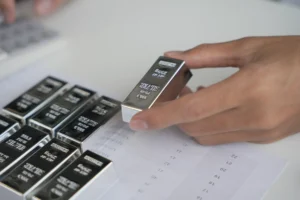
The year 2026 is set to begin with a major global shock. China’s silver export ban is already sending waves of concern through the world economy, raising fears of rising prices, industrial shortages, and shifting global influence. What first appeared to be a routine trade decision is rapidly turning into a full-scale crisis that could change how industries and nations function.
Silver is no longer just a precious metal. It is the backbone of modern life. It powers solar panels, drives electric vehicles, builds AI chips, and supports medical innovation. Without it, production could slow, technology could stall, and renewable progress could fade. The expected global silver supply crisis is likely to hit clean energy, electronics, and manufacturing hardest, forcing the world to rethink how it secures critical resources.
The impact of the China Silver Export Restrictions is already being felt across markets and governments. China, which refines more than 14 per cent of the world’s silver and controls a large share of global exports, has turned this essential industrial metal into a tool of economic power. As the Silver Export Ban unfolds in 2026, the world is entering a new chapter where control over materials not only drives trade but also defines global strength.
The Origin of the Silver Export Ban
China’s decision to limit silver exports was deliberate and strategic. Announced on January 1, 2026, the new export regulations restrict trade to only large refiners producing at least eighty tonnes annually and maintaining credit lines above thirty million dollars. Smaller producers, who collectively contributed a sizable portion of the world’s export flow, were cut off entirely.
This regulation, part of the China Silver Export Restrictions, was presented as a domestic policy aimed at stabilising the national market. However, analysts believe it is part of a broader agenda to strengthen China’s dominance in energy technology and manufacturing. By controlling exports, China ensures steady access to silver for its domestic industries, especially those producing solar panels, electric vehicles, and semiconductors.
The move immediately created ripples across the globe. Within weeks, silver prices climbed to record highs, exceeding eighty dollars per ounce. Manufacturers in the United States, Europe, and Japan reported shipment delays and increased costs. Commodity exchanges in London and New York saw surging demand for physical delivery as investors and corporations raced to secure limited supply.

Why the Global Silver Supply Crisis Was Inevitable
The Global Silver Supply Crisis did not begin overnight. The warning signs were visible for years. Silver production has stagnated while demand has accelerated at record speed. Most silver is mined as a byproduct of other metals such as copper, zinc, or lead, making it difficult for producers to increase output independently.
Meanwhile, industrial demand has grown exponentially. Renewable energy, electric vehicles, and AI-driven technology have all become silver-intensive industries. The global energy transition has further increased dependency on the metal, turning it from an investment commodity into a necessity for production.
By 2025, the annual global deficit between supply and demand had reached more than 250 million ounces. Inventories in COMEX and London fell to their lowest levels in a decade. Recycling added some relief but was insufficient to fill the gap. When the Silver Export Ban came into effect, it merely exposed a problem that had been developing for years—the world was already short on silver, and the crisis was inevitable.
China’s Strategy Behind the Ban
The Silver Export Ban represents a long-term strategy rather than a short-term market intervention. For years, China has pursued a resource-control model to ensure economic security and technological supremacy. By managing critical materials like lithium, rare earths, and now silver, China strengthens its industrial ecosystem while influencing global competition.
Silver is central to China’s renewable energy ambitions. The country is the world’s largest producer of solar panels and a major player in electric vehicle manufacturing. By retaining silver within its borders, it guarantees uninterrupted access for domestic production.
The China Silver Export Restrictions also give Beijing leverage in international trade negotiations. Silver is now a geopolitical tool—one that can influence inflation, manufacturing capacity, and even currency valuations worldwide.
This policy is similar to China’s earlier rare-earth export curbs in 2010, which caused global shortages and forced other nations to diversify supply chains. However, the silver ban is more complex because of silver’s wide industrial use and lack of adequate substitutes.
The Numbers Behind the Crisis
The scale of the Global Silver Supply Crisis is unprecedented in modern commodity history.
- COMEX Inventories: Fell from 340 million ounces in 2020 to less than 83 million by the end of 2025.
- London Stocks: Dropped nearly 40 per cent in the same period.
- Shanghai Holdings: Reached a 10-year low, covering barely one month of industrial demand.
- Global Demand: Expected to surpass 1.2 billion ounces in 2026, while supply remains under 900 million ounces.
The Silver Price Forecast 2026 reflects this imbalance. Analysts predict prices will average between one hundred and two hundred dollars per ounce, with potential surges beyond those levels during peak shortages.
Silver’s dual identity as both an industrial metal and a financial hedge has intensified volatility. Investors view it as a store of value amid global inflation and a critical resource amid the manufacturing boom.
Industrial Dependence: Silver’s Expanding Role
Silver’s industrial importance extends far beyond jewellery or investment bars. It is embedded in the infrastructure of modern civilisation.
Renewable Energy and the Solar Boom
The solar industry is the single largest consumer of silver, accounting for over 20 per cent of total global demand. Each solar cell requires silver paste to conduct electricity efficiently. As nations push for renewable targets, solar installations continue to soar, amplifying demand.
Electric Vehicles and the Mobility Revolution
Electric vehicles rely heavily on silver. Each EV uses up to one kilogram of silver in wiring, sensors, and control systems. With EV production expected to double by 2030, the demand from this sector alone could absorb half of the global silver supply.
Electronics, AI, and Smart Systems
The rapid growth of digital infrastructure, data centres, and artificial intelligence has created another massive source of demand. Silver’s conductivity makes it essential for advanced electronics, 5G communication systems, and microprocessors.
The Silver Export Ban has therefore disrupted multiple industries simultaneously, turning a trade decision into a technology crisis.
Silver Price Forecast 2026: Where Markets Are Headed
The Silver Price Forecast 2026 remains one of the most bullish in decades. Analysts at major investment institutions expect silver to rise steadily throughout the year.
- Bank of America: Predicts an average price of $120 per ounce.
- Goldman Sachs: Expects a high of $180 per ounce.
- Independent Analysts: Forecast potential spikes above $200 during extreme shortages.
This rise is driven not by speculation but by tangible scarcity. The futures markets on COMEX and the London Metal Exchange have become dislocated from physical markets. Premiums for real silver delivery continue to widen.
In China, where the Silver Export Ban originated, domestic prices are already exceeding global benchmarks. Manufacturers are stockpiling inventories, anticipating further restrictions. Meanwhile, investors worldwide are turning to silver as both an inflation hedge and an industrial opportunity.
Global Reactions and Policy Shifts
Governments and corporations have been forced to respond to the crisis.
Government Measures
- United States: Added silver to its list of critical minerals and initiated mining expansion in Nevada and Alaska.
- European Union: Established trade agreements with Peru and Mexico for stable imports.
- India: Announced incentives for domestic refining and recycling to reduce dependency.
- Japan and South Korea: Began developing alternative refining technologies independent of Chinese supply.
Corporate Strategies
- Solar and EV manufacturers are redesigning products to use silver more efficiently.
- Tech companies are signing long-term contracts with miners to secure access.
- Recycling firms are investing in advanced recovery methods to reclaim silver from electronic waste.
While these actions may stabilise markets in the long term, they cannot immediately replace China’s refining dominance. The China Silver Export Restrictions have set a precedent that will take years to overcome.
Investor Sentiment and Market Adaptation
The Silver Market Outlook for 2026 reveals a significant shift in investor behaviour. Silver is now viewed as a strategic investment asset rather than a speculative one.
Institutional Investors
- Hedge funds and sovereign wealth funds are increasing allocations to physical silver and mining equities.
- Central banks are studying the inclusion of silver in strategic reserves alongside gold.
- Pension funds are diversifying portfolios to include long-term silver exposure.
Retail Investors
- Demand for coins and bars has surged, causing shortages at mints and dealers.
- Online trading platforms report record purchases of silver-backed ETFs.
Mining Stocks
- Shares of companies in Canada, Mexico, and Peru have seen double-digit gains.
- Exploration firms are receiving new rounds of funding, despite long project lead times.
The Silver Market Outlook confirms that silver’s growing scarcity and industrial indispensability will support strong price momentum for years to come.
Mining Challenges and Opportunities
Despite renewed investor enthusiasm, mining expansion remains difficult. The Global Silver Supply Crisis has revealed how fragile the mining ecosystem is.
- Environmental Barriers: Strict regulations delay approvals for new mines.
- Geopolitical Risks: Unstable governments in mineral-rich regions create uncertainty.
- Declining Ore Grades: Many older mines now produce lower-quality output, increasing extraction costs.
- Capital Constraints: New projects require significant funding and long development timelines.
Emerging Opportunities
- African nations such as Namibia and Morocco are attracting exploration investment.
- Latin American producers in Peru and Bolivia are upgrading technology to increase efficiency.
- Automation and AI-based exploration tools are improving resource discovery.
Even with these advancements, global production growth is unlikely to exceed three per cent annually until 2030. The Silver Market Outlook suggests that the deficit will persist, keeping prices elevated well into the next decade.
Lessons from History: How Past Crises Shaped Policy
The Silver Export Ban resembles earlier resource crises such as China’s rare-earth restrictions in 2010. When exports were limited, prices surged, and industries dependent on those materials were forced to adapt.
However, silver is far more integrated into global manufacturing. Its industrial applications are broader, and viable substitutes are limited. Unlike rare earths, which can sometimes be replaced, silver’s role in conductivity and energy conversion is unique.
This means the Global Silver Supply Crisis could last longer than any previous resource shortage, reshaping trade policies and industrial strategies for the next decade.
The Future of Silver: A Strategic Global Asset
The Silver Market Outlook now positions silver as a strategic global asset—critical not only for industry but also for financial stability. Governments, corporations, and investors are treating it as both a commodity and a reserve resource.
Silver’s reclassification as a strategic material could lead to new policies:
- Establishing national silver reserves similar to oil stockpiles.
- Launching international agreements to ensure transparent trade.
- Promoting research into silver recycling and substitution technologies.
The Silver Export Ban has changed how the world perceives silver. It is no longer just a metal—it is the foundation of the new industrial economy.
The Human Impact: Real Consequences of the Crisis
While much attention is focused on prices and policies, the Global Silver Supply Crisis has deeply human consequences.
- Manufacturing Workers: Layoffs have begun in solar and electronics industries facing raw material shortages.
- Small Businesses: SMEs dependent on affordable metals face margin pressures.
- Developing Nations: Delays in renewable energy projects have slowed sustainable development goals.
However, there are also positive effects:
- Mining Communities: New investments are creating jobs and infrastructure in resource-rich regions.
- Recycling Sector: Innovation is accelerating as demand for reclaimed silver increases.
The Silver Export Ban has reshaped global labour markets, creating both challenges and new opportunities.
The Road Ahead: Predictions and Long-Term Scenarios
Short-Term Outlook
The Silver Price Forecast 2026 suggests continued volatility. Prices could surge beyond $200 per ounce during peak demand and stabilise near $150 by year-end.
Medium-Term Trends
- Sustained Industrial Demand: Renewable energy and EV growth will keep silver consumption rising.
- Slow Supply Recovery: New mining and refining capacity will take years to materialise.
- Strategic Hoarding: Governments may continue building reserves to safeguard against future shortages.
Long-Term Possibilities
- Development of substitute technologies using graphene or copper.
- Global cooperation for resource-sharing frameworks.
- Emergence of new silver trading hubs outside of China.
The Silver Market Outlook indicates that the next decade will be defined by silver’s strategic importance, much like oil in the twentieth century.

Conclusion: The Age of Strategic Metals
The Silver Export Ban has changed the global order of trade, industry, and investment. It has turned silver into a weapon of influence, capable of shaping economies and redefining national priorities.
The global silver supply crisis continues to expose vulnerabilities in global manufacturing systems. The China Silver Export Restrictions have forced industries to innovate, governments to act, and investors to adapt.
The Silver Price Forecast 2026 predicts sustained strength, and the Silver Market Outlook confirms silver’s transformation into a cornerstone of modern progress.
Key Takeaways
- Silver Is Now Strategic: It underpins clean energy, technology, and finance.
- Scarcity Is Structural: The supply deficit will persist beyond 2030.
- China Holds the Leverage: Its export policies continue to dictate global availability.
- Investors Should Think Long-Term: Physical holdings and mining assets will remain valuable.
- Innovation Is Essential: Recycling and alternative materials will shape the next decade.
The world has entered a new era—an age defined by strategic metals. In this era, silver is no longer a passive asset but the engine of global transformation. The Silver Export Ban has not only ignited a market shock but has also revealed a truth about the modern world: whoever controls silver, controls the pace of progress.
Read here to learn more about “Holiday Trading Mistakes Every Forex Trader Should Know“

I’m Chaitali Sethi, a financial writer and market strategist focused on Forex trading, market behaviour, and trader psychology. I simplify complex market movements into clear, practical insights that help traders make better decisions and build a stronger trading mindset.