
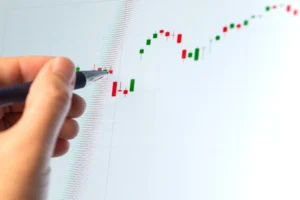
The Hanging Man Candlestick Pattern remains one of the most observed reversal signals in technical analysis. Traders use this pattern to identify early signs of weakness after a strong uptrend. Because financial markets often move in emotional cycles, this pattern provides early trend reversal signals in trading. Although the pattern looks simple, it carries powerful insights into candlestick pattern psychology and helps traders take timely action during overheated trends.
The Hanging Man Candlestick Pattern works across Forex, stocks, crypto, commodities, and indices. Therefore, traders at every level use it as a confirmation tool whenever price approaches an important resistance level. Even though the candle appears as a single formation, it represents a complete battle between buyers and sellers inside a session. Understanding this internal struggle improves trading confidence and sharpens decision-making.
In simple terms, the Hanging Man warns traders to stop assuming the trend will continue forever. Instead, it signals that buying momentum is weakening, while selling pressure grows quietly inside the candle. Because of this deeper meaning, the pattern becomes a reliable bearish reversal candlestick pattern once confirmed.
What the Hanging Man Candlestick Pattern Reveals About Market Behaviour
The Hanging Man Candlestick Pattern always forms at the top of an uptrend. Without a clear uptrend, the signal loses value. The candle has a small body near the top, a very long lower wick, and little or no upper wick. This structure shows traders that sellers pushed the price sharply lower at some point during the session.
Even though buyers lifted the price back near the opening level, the long tail exposes internal weakness. This tail represents fear, hesitation, and profit-taking behaviour. Therefore, traders rely on this pattern to understand the psychological shift happening beneath the trend.
When traders examine the candlestick pattern psychology, they notice something very revealing. Buyers still control the closing price, but the wick shows that sellers suddenly became aggressive. This shift creates the emotional imbalance that often becomes visible through clear trend reversal signals in trading during following sessions.
Because markets communicate through price patterns, the Hanging Man becomes a silent warning. The uptrend may continue for one or two candles, but the pattern signals that something has changed under the surface.

How the Hanging Man Pattern Works Step by Step
Understanding how the Hanging Man pattern works allows traders to apply it with precision. Although the candle is simple, its correct interpretation requires structure, trend context, and confirmation.
Step 1: Identify a Strong Existing Uptrend
The pattern becomes meaningful only when the asset has climbed for several sessions. Traders verify higher highs and higher lows. Without a strong uptrend, the pattern is not valid.
Step 2: Recognise the Candle Structure
The long lower shadow is the highlight. It often measures two to three times the body size. This long wick shows heavy selling pressure. The small body indicates that buyers managed a partial recovery.
Since the candle resembles a man hanging from a rope, its name reflects both appearance and meaning.
Step 3: Wait for Confirmation
Traders must wait for the next candle. A bearish close below the Hanging Man’s body confirms the Bearish Reversal Candlestick Pattern. This confirmation aligns the signal with trend reversal signals in trading.
Step 4: Execute with Risk Control
Traders typically enter a short position once the price breaks below the Hanging Man low. Because volatility rises during reversals, traders always place stop-loss orders above the high of the pattern.
Step 5: Target Key Support Zones
Exits often occur at the nearest support levels or Fibonacci retracement zones. Since reversals vary in strength, these zones help secure profits.
This structured method ensures traders use how the Hanging Man pattern works safely and consistently.
Why the Hanging Man Pattern Reflects Deep Market Psychology
Markets behave based on crowd emotions, and the Hanging Man Candlestick Pattern captures this emotional shift perfectly. As the session opens, buyers push the price upward, continuing the uptrend. Then sellers step in aggressively, driving the price sharply downward. This sudden shift is the first sign of weakness.
Later, buyers try to lift the price again. Although they manage to push it near the opening level, the wick shows their struggle. This behaviour reflects classic candlestick pattern psychology:
- Buyers are losing strength.
- Sellers are testing the trend.
- The market is preparing for change.
- Fear begins replacing confidence.
Although the candle closes near the top, the long wick becomes the key message. It shows that sellers briefly took control and exposed vulnerability in the uptrend. Therefore, when the next session confirms weakness, the pattern transforms into a strong bearish reversal candlestick pattern.
Understanding this psychology helps traders avoid emotional decisions and instead use pattern-based logic.
Using the Hanging Man Pattern Across Different Markets
The Hanging Man Candlestick Pattern behaves consistently across major markets because all markets share similar emotional cycles. Below are practical examples of how traders use it effectively.
Forex Example
Imagine EURUSD rising for several days. It reaches a key resistance zone. Suddenly, a Hanging Man forms with a long lower wick. The next candle opens bearish and confirms weakness. Traders who understand how the Hanging Man pattern works act quickly and enter short positions.
Stock Market Example
Suppose Apple stock rallies strongly. It approaches a psychological price level. A Hanging Man forms with high volume. Traders interpret this candle as early profit-taking behaviour. When the following candle breaks below the wick, a reversal begins.
Crypto Example
Bitcoin rallies after positive news. It reaches a zone where traders have previous selling interest. A clear Hanging Man forms. Although the next candle doesn’t collapse instantly, it confirms weakness after two sessions. This delayed reaction also demonstrates candlestick pattern psychology.
These examples show that the pattern functions reliably because it reflects human emotions, not specific assets.

Strengths of the Hanging Man Candlestick Pattern
The Hanging Man Candlestick Pattern offers several advantages:
- It appears frequently across all timeframes.
- It works well near resistance levels.
- It provides early trend reversal signals in trading.
- It helps traders exit long positions before losses grow.
- It becomes stronger when confirmed by structure or volume.
- It enhances market timing during overheated uptrends.
Because of these strengths, traders use the pattern as both a warning tool and an entry tool.
Limitations Traders Must Understand Before Using the Pattern
Even though the Hanging Man Candlestick Pattern is useful, traders must respect its limitations. First, the pattern does not always guarantee a reversal. Strong bullish momentum can overpower the signal. Sometimes the market forms a Hanging Man but continues to climb for several more candles.
Second, the pattern can appear inside consolidation. When this happens, the signal loses value because the market lacks a clear trend. Traders must avoid trading the Hanging Man during sideways conditions.
Third, relying only on the candle without confirmation increases risk. The candle represents potential weakness but not guaranteed reversal. Therefore, waiting for a bearish close becomes crucial. This confirmation strengthens the signal and builds confidence.
Lastly, traders must understand the broader candlestick pattern psychology. Without this understanding, the pattern can mislead beginners. The wick represents a battle, not a decision. The decision arrives only through the next candle.
Why Confirmation Improves the Pattern’s Accuracy
Confirmation separates strong patterns from random candles. When the Hanging Man Candlestick Pattern forms, traders watch for strong selling action afterward. The next candle determines whether the market truly shifts direction.
If the next candle closes below the pattern body, it shows that sellers have taken control. This confirmation transforms the candle into a clear bearish reversal candlestick pattern. Traders then rely on follow-through momentum to enter trades.
This process aligns with reliable trend reversal signals in trading, where confirmation improves accuracy and reduces emotional decisions. Without confirmation, traders risk entering too early and losing money if the trend continues upward.
Advanced Techniques to Strengthen the Hanging Man Signal
Traders often enhance the reliability of the Hanging Man Candlestick Pattern using additional tools:
- Volume analysis to verify strong selling pressure.
- RSI divergence to detect weakening momentum.
- MACD crossovers to confirm trend exhaustion.
- Market structure breaks after the candle forms.
- Resistance level alignment to combine technical conditions.
Each technique helps validate how the Hanging Man pattern works in real trading environments.
Using the Hanging Man Pattern Inside a Trading Plan
Because markets move in cycles, traders must fit the Hanging Man Candlestick Pattern inside a complete plan. This plan often includes:
- Trend identification
- Support and resistance
- Entry confirmation
- Stop-loss placement
- Take-profit levels
- Emotional discipline
This structured method ensures traders use the pattern responsibly and profitably. When included in a broader strategy, the Hanging Man becomes far more powerful.
Conclusion
The Hanging Man Candlestick Pattern remains one of the simplest and most effective visual reversal tools in technical analysis. Traders use it to detect weakening momentum at the top of an uptrend. Because the pattern reflects deep candlestick pattern psychology, it helps traders interpret internal market behaviour with clarity.
Furthermore, once confirmed, the candle becomes a reliable bearish reversal candlestick pattern, providing actionable trend reversal signals in trading. When combined with volume, structure, resistance zones, and disciplined risk control, its reliability increases several times.
Although simple to recognise, the pattern carries rich meaning. It shows hesitation, selling pressure, and emotional shifts inside the trend. Traders who read these signals early prepare better and act smarter during changing markets.
Read here to learn more about “What Is Time-Weighted Average Price and How It Really Works“

I’m Chaitali Sethi, a financial writer and market strategist focused on Forex trading, market behaviour, and trader psychology. I simplify complex market movements into clear, practical insights that help traders make better decisions and build a stronger trading mindset.