
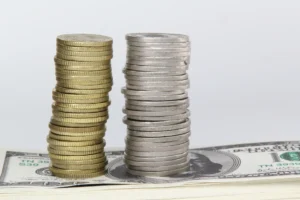
The debate around silver vs gold matters more this year than in previous cycles. Investors face unpredictable markets, rising inflation concerns, and shifting global demand across industries. Because of this, many now compare gold and silver investment returns more closely to understand which metal offers stronger growth and long-term safety. Both precious metals move actively this year, and both attract attention for different reasons. This article provides clear insights through detailed Precious Metal Performance Analysis and updated Long-Term Precious Metal Trends. Each section presents clean explanations, practical examples, and smooth reading to help investors understand which metal fits their goals right now.
Silver delivered rapid price appreciation this year due to strong industrial demand and tighter global supply. Gold also moved upward, supported by its reputation as one of the most reliable safe haven assets during uncertain periods. These differences help investors evaluate how both metals behave under current economic conditions. Because every investor values growth and security differently, the comparison of silver vs. gold becomes important for building stable and profitable portfolios.
This expanded guide combines expert-level clarity and everyday understanding. It explains how both metals perform, what drives their movement, and what investors should expect next. It also uses fact-backed examples to ensure transparency and trust. The goal is simple: help readers make confident decisions using clear analysis and updated market behaviour.
Current Price Trends and Market Snapshot
To understand which metal performs better this year, investors must look at updated price levels. The table below presents the latest global and Indian market prices for silver and gold, along with their recent percentage changes. All values reflect the most recent market cycle.
Silver vs Gold Price and Performance
| Market / Unit | Silver Price | Gold Price | Performance Status |
|---|---|---|---|
| Global Spot (USD per ounce) | 53.85 | 4174.62 | Silver outpaces gold in yearly returns |
| Month-over-Month Change | +13% | +6% | Silver shows faster short-term momentum |
| Year-over-Year Change | +76% | +57% | Silver leads in annual growth strength |
| India Price (per gram) | ₹176.10 | ₹12,847 | Silver remains more accessible for small investors |
| India Price (per kg / per 10g) | ₹1,76,100 per kg | ₹1,28,470 per 10 grams | Gold maintains premium long-term value |
This table gives readers a clear view of how both metals currently behave. Silver moves faster and delivers higher percentage gains, while gold maintains strong premium value and predictable long-term performance. Both metals continue attracting investors, but their roles differ, making the Silver vs Gold comparison essential for strategic investing.

Why Silver Delivers Stronger Short-Term Returns
Silver shows stronger returns this year for several interconnected reasons. This section explains these factors while maintaining clarity and concision. These reasons highlight the distinct characteristics of silver that influence performance and shape future expectations.
Silver holds a unique position in global markets because it serves both as a precious metal for storing value and a critical industrial raw material. Industries such as solar energy, electronics, battery storage, medical technology, and advanced manufacturing ramp up silver usage this year. That structural industrial demand lifts silver beyond mere speculative interest. As a result, silver’s performance merges investment demand with real-world industrial demand, boosting its appeal.
Supply constraints add another layer of strength. Silver mining seldom scales quickly, and much of silver output comes as a by-product of other metal mining. This supply rigidity means silver cannot easily catch up when demand surges. As global industrial demand rises, pressure on supply intensifies. This gap supports rising silver prices and contributes to better gold and silver investment returns for silver.
Silver remains affordable relative to gold. This simplicity of entry makes it attractive to small investors, first-time buyers, and retail investors. Many Indians and traders around the world choose silver when they watch price trends. This broad participation enhances market liquidity and strengthens upward momentum.
Silver also displays higher price volatility. While that can be risky, it benefits investors who actively track market cycles and enter during dips. In times of economic optimism or industrial expansion, silver often shows sharper rebounds than gold. That volatility offers opportunities for quick gains, aligning with goals of growth-orientated investors rather than conservative ones.
Through these factors, silver stands out as a compelling asset for those seeking high return potential this year. In many ways, silver captures both growth and utility at once — a rare mix for precious metals.
Why Gold Holds Strong Long-Term Stability
Even though silver performs better in short bursts, gold remains the strongest long-term stabiliser in precious metals. Many investors include gold in their portfolios because it protects capital when markets weaken. This section explains why gold continues to support long-term performance and investor confidence.
Gold remains one of the most trusted safe haven assets worldwide. During uncertain economic conditions — inflation, geopolitical risks, currency fluctuations — gold attracts safe-money flows quickly. Investors move wealth into gold to preserve value. This pattern repeats across cycles, making gold a reliable store of value.
Gold benefits from high liquidity globally. Large markets, consistent demand from central banks, and easy convertibility make gold easier to buy and sell compared to riskier assets. This fluidity ensures that investors can exit or enter gold holdings with less friction. For long-term financial planning, this predictability adds comfort.
Cultural and institutional demand for gold remains strong, especially in many Asian economies. People buy gold for savings, gifts, weddings, or family security. This social and emotional demand sustains gold prices regardless of market sentiment. In supply-demand calculations, that cultural dimension gives gold a unique stability advantage.
Gold also offers lower volatility than silver. Its price moves smoothly compared to silver’s sharper swings. This makes gold attractive to conservative investors who value preservation over aggressive gains. For long-term portfolios, gold performs as a stabiliser, reducing overall risk while preserving value.
Therefore, in the context of precious metal performance analysis, gold remains essential for investors focused on wealth preservation and long-term security. Even when silver surges, gold continues offering dependable protection and long-term growth potential.
Choosing the Right Metal for Your Goals
Choosing between silver and gold depends on investor needs, budget, risk levels, and time horizon. This section offers practical guidance while linking back to key themes like investment returns, safe-haven status, and long-term trends.
If you aim for higher short-term gains and accept volatility, silver may suit you. Silver reacts sharply to industrial demand surges, supply constraints, and global economic events. That creates fast movement and potentially high returns over months. Silver’s affordability makes it achievable for small or new investors. Therefore, for growth-orientated ventures, silver stands out as a strong candidate.
If you seek wealth preservation, long-term safety, or stable value, gold remains the safer choice. Gold gives predictable growth, acts as a hedge during crises, and retains value across decades. Investors who seek consistency and lower risk often favour gold. Its liquidity and global recognition support long-term financial plans.
For many investors, a balanced strategy works best. Holding both metals blends advantages: silver delivers growth potential, and gold offers stability. This diversified approach reduces risk while capturing upside potential. It aligns with long-term precious metal trends, delivering both value protection and growth.
Your choice should match your goals. If you have a short or medium horizon and tolerate volatility, silver offers opportunity. If you plan over years or intend stable savings, gold remains ideal. For long-term wealth building, including both metals in proper proportion often proves wise.
Finally, stay aware of global economic and policy signals. Interest rates, industrial demand, currency movements, and geopolitical developments strongly influence both metals. Regularly reviewing these variables helps you act timely when investing in silver or gold.

Future Outlook: What to Watch for Silver and Gold
The coming months and years carry interesting potential for both metals. Understanding the factors shaping future movement can guide investing decisions under Precious Metal Performance Analysis and Long-Term Precious Metal Trends.
Silver looks promising if global industry demand continues rising. Growth in renewable energy infrastructure, electric vehicles, digital electronics, medical equipment, and green tech all consume silver. As these sectors expand, silver demand may stay high or rise further. Supply constraints may also persist, supporting price strength. For investors comfortable with risk, silver could deliver significant returns during industrial upcycles.
Gold may benefit if global risk and inflation stay elevated. Economic uncertainty, currency weakness, geopolitical tensions, or aggressive fiscal policies often drive investors toward gold. In such scenarios, gold’s role as a safe haven asset becomes more relevant. That might push gold prices higher, especially during downturns or global stress. Long-term investors may find gold continues to preserve real value well.
Supply-side factors matter too. Silver supply remains constrained due to mining limitations and dependency on by-product extraction. Gold supply grows more steadily but remains limited compared to demand from investors and central banks. This supply-demand imbalance could support long-term price appreciation for both metals under different conditions.
Finally, changing global monetary policy, interest rates, and inflation expectations will influence both metals. Lower interest rates tend to favour non-yielding assets like gold and silver. Inflationary pressures may enhance their appeal as hedges. Keeping an eye on macroeconomic conditions will help investors navigate this dynamic market.
Frequently Asked Questions (FAQ)
1. Which metal is better for short-term returns this year?
Silver currently offers better short-term returns thanks to strong industrial demand, limited supply, and higher volatility. Comparisons of silver vs gold show silver delivering higher percentage gains this year.
2. Is gold still the safer long-term option?
Absolutely. Gold remains one of the most reliable safe haven assets worldwide. Gold protects wealth when economic volatility spikes and maintains value across decades.
3. Does silver benefit more from industrial growth than gold?
Yes. Silver’s dual role — as precious metal and industrial commodity — gives it an edge when sectors like solar, electronics, medical devices, or EVs expand. This supports stronger gold and silver investment returns for silver when industries grow.
4. Can a beginner invest in both metals easily in India?
Yes. Beginners can start small with silver grams or small amounts, making silver affordable. Gold remains pricier per gram but still accessible through smaller coins or bars. A combined investment offers balance between growth and stability.
5. How should I decide between silver and gold for my portfolio?
Your decision should depend on your risk appetite, investment horizon, and goals. If you want high returns and can tolerate fluctuations, silver works well. If you prefer stable value and long-term security, choose gold. For balanced risk and opportunity, a mix of both often works best.
6. What global factors could influence silver and gold prices in coming years?
Industrial demand (renewables, electronics, EVs), supply limitations in silver mining, inflation, currency fluctuations, geopolitical tensions, and central bank policies will all impact price. These are key to analysing long-term precious metal trends.

Conclusion: Silver vs Gold — Which Metal Performs Better This Year
This year, the comparison of silver vs gold reveals both metals hold meaningful appeal. Silver stands out for strong short-term returns thanks to surging industrial demand, supply pressure, and price momentum. It offers high potential for investors seeking growth and willing to accept volatility. Gold, on the other hand, delivers consistency, stability, and protection. As one of the most trusted safe haven assets, gold remains central to long-term wealth preservation and diversified portfolios.
For investors seeking balance in uncertain times, combining both metals delivers the best of both worlds. Silver brings growth and opportunity. Gold brings safety and trust. The choice depends on your capital, risk appetite, and financial horizon.
By using this Precious Metal Performance Analysis, observing long-term precious metal trends, and assessing global economic factors, you can make informed decisions. Whether you lean toward silver, gold, or a mix, this comparison offers clarity for smarter investing in 2025 and beyond.
Read here to learn more about “How expected Fed rate cuts in December will affect forex“

I’m Chaitali Sethi, a financial writer and market strategist focused on Forex trading, market behaviour, and trader psychology. I simplify complex market movements into clear, practical insights that help traders make better decisions and build a stronger trading mindset.