
Introduction: Asia’s Currency Power Shift
As 2026 begins, Asia’s currency landscape is undergoing a quiet but meaningful transformation. While global investors once viewed the U.S. dollar and euro as the world’s dominant currencies, several Asian units are now gaining attention for their stability, liquidity, and growing global influence.
From Singapore’s disciplined monetary model to Japan’s reputation for safe-haven consistency, the strongest currencies in Asia now represent a blend of innovation, export strength, and strategic financial management.
The year’s currency movements are shaped by inflation adjustments, shifting trade routes, and evolving central bank policies. For traders and investors, tracking which Asian currencies maintain real strength not just nominal value has become an important part of understanding the global economic balance.
How Currency Strength Is Measured
A strong currency is not simply the one with the highest exchange rate. Its true strength lies in stability, purchasing power, and global acceptance.
When analysts rank the most valuable currencies in Asia, they typically evaluate:
- Economic Fundamentals: Sustained GDP growth and controlled inflation support confidence.
- Monetary Discipline: Central banks with clear policy frameworks protect against sharp depreciation.
- Trade and Reserves: Countries with consistent surpluses and large foreign reserves stabilise their currencies.
- Investor Trust: Liquidity, transparency, and credibility in markets enhance long-term strength.
In short, a strong currency reflects both economic resilience and market confidence qualities that many Asian economies continue to demonstrate in 2026.

The Region’s Financial Leaders
While Asia hosts dozens of national currencies, a handful stand out for their enduring performance, global trade relevance, and market perception. Below are the major ones that define the Top Asian Currencies 2026 each backed by a unique economic story.
Singapore Dollar (SGD): The Benchmark of Stability
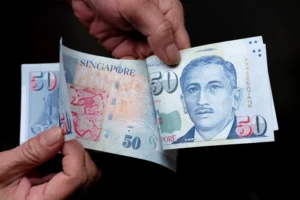
The Singapore dollar remains Asia’s most reliable and well-managed currency. Instead of targeting interest rates, Singapore’s central bank manages the exchange rate to ensure price stability.
With a diversified economy and strong fiscal reserves, the SGD maintains credibility as both a regional anchor and a safe investment currency for institutions. Its slow, steady appreciation over the years underscores investor trust.
Japanese Yen (JPY): The Trusted Safe Haven
Despite occasional weakness in past cycles, the yen’s reputation remains unmatched in times of uncertainty. Its strength comes from Japan’s trade surpluses, large foreign reserves, and deep global liquidity.
The yen is not merely a domestic currency it’s a global reserve asset. Traders continue to turn to the JPY when volatility rises, reaffirming its role among the strongest currency values in Asia.
Chinese Yuan (CNY): Growing Influence Through Controlled Power
The Chinese yuan has evolved from a tightly managed currency to one with growing international use. Supported by China’s massive trade network and central bank oversight, it has become increasingly important in global settlements.
While not fully free-floating, its managed flexibility and inclusion in global reserves reflect its long-term strategic strength.
South Korean Won (KRW): The Export Powerhouse
Driven by its dominant semiconductor and electronics exports, South Korea’s currency remains a vital part of Asia’s industrial ecosystem.
The won tends to appreciate alongside tech-sector growth, making it a favourite for traders looking for correlation between manufacturing strength and currency performance.
Taiwan Dollar (TWD): Quiet but Consistent
Taiwan’s steady economic management and strong current account surplus keep its currency stable. Its performance often mirrors global tech demand, given the country’s role as a semiconductor hub.
Investors see the TWD as one of Asia’s quiet performers rarely volatile but consistently strong.
Hong Kong Dollar (HKD): Steady Under the Peg
The Hong Kong dollar, pegged to the U.S. dollar, remains one of the region’s most predictable currencies. Its currency board system ensures stability through automatic intervention, giving it unique resilience even amid market swings.
Brunei Dollar (BND): Linked Strength
The Brunei dollar’s one-to-one link with the Singapore dollar allows it to share the same stability, monetary credibility, and strength, despite Brunei’s smaller economy.
Why Asian Currencies Are Holding Value in 2026
Asia’s currencies are benefiting from structural strengths that extend beyond short-term market moves.
1. Regional Trade Integration
The rise of intra-Asian trade and regional supply chains has boosted currency stability. As exports circulate more within Asia than before, reliance on Western markets has decreased, insulating many currencies from external shocks.
2. Controlled Inflation and Fiscal Discipline
Central banks across Asia have managed inflation more effectively than many Western counterparts. Singapore, South Korea, and Taiwan have kept price pressures contained while maintaining moderate interest rates a balance that supports stronger exchange rates.
3. Technology and Manufacturing Edge
The industrial and tech revolutions in countries like South Korea, Japan, and Taiwan underpin their currencies’ long-term value. Export-led economies backed by innovation tend to maintain currency appreciation trends even during global slowdowns.
4. Foreign Investment Confidence
Global investors are increasing exposure to Asian markets. From equity inflows into Tokyo and Seoul to manufacturing expansion in Vietnam and India, rising foreign investment creates steady demand for regional currencies.
Currency Trends Traders Should Watch
For traders, understanding Asian currency exchange rates means more than tracking numbers. It’s about interpreting policy signals, trade balances, and regional cooperation.
- Monetary Policy Adjustments: Expect cautious rate shifts from Japan and South Korea as they balance inflation control with growth.
- U.S. Dollar Influence: A softer dollar generally favours Asian currencies, but traders should watch for divergence as the U.S. recalibrates post-rate-cut cycles.
- Energy Prices: Import-heavy economies like Japan and India remain sensitive to global oil trends, influencing their currencies’ short-term direction.
- Digitalisation of Payments: With China and Singapore expanding digital currency initiatives, the next stage of FX strength may come from technological leadership.
These evolving patterns show that Asia’s monetary strength is now linked as much to innovation as to economics.

The Hidden Strength: Stability Over Spectacle
One of the most overlooked aspects of the strongest currencies in Asia is their quiet consistency. Many traders still chase volatility for profit opportunities, but long-term investors increasingly value stability a key theme across Asian markets in 2026.
Singapore’s steady performance, Japan’s trusted liquidity, and Taiwan’s disciplined currency management highlight how slow, measured appreciation can outperform unpredictable surges.
For traders, this shift means success depends less on chasing spikes and more on reading macroeconomic signals early.
Practical Insights for Currency Investors
For traders and investors preparing for 2026, here are simplified, actionable lessons drawn from Asia’s leading currencies:
- Focus on Fundamentals: Prioritise currencies backed by trade surpluses, strong fiscal reserves, and clear central bank communication.
- Use Data, Not Hype: Currency moves are increasingly data-driven , track inflation, bond yields, and real interest differentials.
- Diversify Regionally: Combining developed-market currencies like JPY and SGD with emerging players such as IDR or INR provides balance.
- Monitor Tech Exports: Countries with growing digital and manufacturing bases tend to show sustained currency demand.
Understanding value beyond volatility is what separates speculative trades from strategic investments.

Summary: The Real Value Behind Asia’s Strength
The strongest currencies in Asia are not merely outperforming in exchange rate terms they represent disciplined economies built on sound policies, innovation, and integration.
Their strength in 2026 comes from credibility, not coincidence. As the global economy becomes more interconnected, Asia’s monetary influence continues to grow quietly but decisively.
For traders and investors, the takeaway is clear: the path to success lies not in chasing trends but in understanding fundamentals. In 2026, stability, adaptability, and disciplined decision-making remain the strongest currencies of all.
Read here more learn more about “What Is Silver Mining and How Does It Impact Global Markets?“

I’m Chaitali Sethi, a financial writer and market strategist focused on Forex trading, market behaviour, and trader psychology. I simplify complex market movements into clear, practical insights that help traders make better decisions and build a stronger trading mindset.