
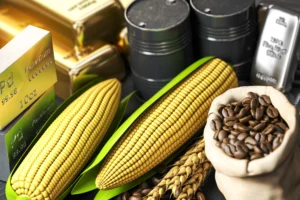
Soft Commodity Futures are often overshadowed by the glamour of metals or energy markets, yet they silently drive global trade. Every morning cup of coffee, every bar of chocolate, and every bale of cotton carries a story told through these contracts. In essence, they represent the world’s agricultural pulse — a connection between farmers, industries, and traders.
In 2025, with inflation still sticky, supply chains shifting, and climate risks intensifying, trading soft commodities has become vital for financial markets and food systems alike. As prices of agricultural commodities swing due to unpredictable weather and demand cycles, soft commodity futures have emerged as powerful instruments for risk management, price discovery, and portfolio diversification.
They are not just for farmers; they are for investors, economists, and anyone who understands that the world still runs on crops before it runs on code.
What Are Soft Commodity Futures?
Soft commodity futures are standardised contracts to buy or sell agricultural commodities such as coffee, sugar, cocoa, cotton, and orange juice at a fixed price on a specified future date. They form part of the broader Commodity Futures Market — a regulated platform that allows participants to hedge, speculate, and invest in tangible global goods.
Unlike the physical trade of crops, these contracts are financial instruments. Most traders never take delivery of actual goods. They buy and sell the contracts themselves, capitalising on price changes driven by weather, yield, consumption, and policy.
For example, a trader expecting sugar prices to rise may buy a sugar futures contract today at 21 cents per pound. If prices rise to 23 cents, they can sell the contract and profit from the change — without touching a single grain of sugar.
Why Soft Commodity Futures Matter Today
In an era of inflation and global uncertainty, soft commodity futures are central to maintaining economic balance. They matter because they perform three essential roles:
- Hedging Risk for Producers and Consumers
Farmers, exporters, and food manufacturers use these futures to lock in prices, protecting their income and costs against volatile markets. - Price Discovery and Transparency
Futures prices serve as a reference for spot markets worldwide. They tell coffee roasters in Europe or chocolate makers in Japan what to expect in coming months. - Diversification for Investors
Institutional and retail investors include agricultural commodities to hedge against equity downturns and currency devaluation. These assets often move independently of stocks and bonds.
Soft commodity futures also signal larger macroeconomic shifts. A sudden spike in coffee futures, for example, may warn of drought or supply chain issues before they reach headlines.
Key Drivers of Soft Commodity Futures Prices
The movement of prices in the commodity futures market is complex but follows identifiable forces.
1. Weather and Climate Conditions
Weather remains the single most influential factor. Droughts in Brazil, floods in Vietnam, or frost in West Africa can wipe out entire harvests, pushing coffee futures and cocoa trading contracts sharply higher. As El Niño and La Niña patterns return in 2025, traders monitor satellite rainfall data as closely as they track charts.
2. Global Demand and Consumption
As global populations grow and diets change, consumption of sugar, coffee, and cocoa continues to surge. Asia’s expanding middle class alone fuels rising demand for agricultural commodities, sustaining high price levels even during global slowdowns.
3. Currency Movements
Most soft commodity futures trade in U.S. dollars. When the dollar strengthens, importing nations pay more; when it weakens, demand rebounds. This currency interplay affects everything from sugar exports to cocoa shipments.
4. Government Policies and Trade Agreements
Import duties, export bans, or subsidies can transform market sentiment overnight. India’s decision to curb sugar exports or Brazil’s ethanol mandates often sets global price direction.
5. Speculative Capital Flows
Hedge funds and institutional investors use algorithmic models that trade soft commodity futures based on momentum and correlation. Their participation adds liquidity but can also magnify volatility.
Trading Soft Commodities – How It Works
Soft commodity futures trade primarily on exchanges such as ICE (Intercontinental Exchange) and CME Group. Each contract represents a specific quantity — for instance, 37,500 pounds of cocoa or 112,000 pounds of sugar. Traders post margin deposits, usually 5–10% of the total contract value, giving them leveraged exposure.
Example:
A trader buys one coffee futures contract at $1.60 per pound. The total value is $60,000. With a 10% margin, only $6,000 is needed to control the full position. If prices rise to $1.68, the trader gains $3,000. But if prices drop to $1.52, they lose the same amount — illustrating why risk management is essential.
These contracts are marked-to-market daily, ensuring transparency and reducing counterparty risk.
Soft vs. Hard Commodities – The Key Distinction
While both are traded in the Commodity Futures Market, soft and hard commodities differ fundamentally:
| Category | Soft Commodities | Hard Commodities |
|---|---|---|
| Nature | Grown or harvested | Mined or extracted |
| Examples | Coffee, Sugar, Cocoa, Cotton | Gold, Oil, Copper |
| Price Drivers | Weather, Crop Cycles, Consumption | Geopolitics, Energy Demand |
| Shelf Life | Perishable | Non-perishable |
| Storage Costs | High | Moderate |
| Correlation | Low correlation with equities | Moderate correlation |
This difference makes soft commodity futures valuable for diversification, especially when traditional assets falter.
You can read here to learn more about “Soft Commodities vs Hard Commodities Key Insights for Traders“
Major Soft Commodities and Their Unique Markets
1. Coffee Futures
Coffee futures represent one of the most liquid agricultural contracts globally. Arabica coffee, traded on ICE New York, reacts sharply to rainfall in Brazil’s Minas Gerais and frost risks in Paraná. Robusta, traded in London, reflects Southeast Asian output.
A 2021 frost in Brazil destroyed over 200,000 hectares of coffee plants, pushing coffee futures up nearly 40%. Traders who anticipated the weather anomaly profited handsomely.
2. Sugar Futures
Sugar futures embody the link between agriculture and energy. When crude oil prices rise, Brazil’s mills divert sugarcane to ethanol, reducing global sugar supply. India’s export decisions also influence world prices. A single policy announcement can move contracts by 10% in a week.
3. Cocoa Trading
Cocoa trading is concentrated in West Africa, where Ghana and Côte d’Ivoire supply over 60% of global output. Political tensions, port strikes, and disease outbreaks cause massive volatility. In 2024, a fungal infection in Ghana slashed yields, sending cocoa trading prices to 45-year highs.
4. Cotton Futures
Cotton futures trade on ICE and reflect global textile cycles. Demand from China and India drives pricing, while U.S. droughts often reduce supply. Fashion industry trends, such as sustainability movements, now influence cotton’s long-term outlook.
5. Orange Juice Futures
Orange juice futures, though smaller in volume, serve as weather-sensitive assets. Hurricanes in Florida or droughts in Brazil frequently send prices soaring, making them popular among short-term speculators.
Popular Trading Strategies for Soft Commodity Futures
Trading soft commodities blends analysis and timing. Successful traders combine several methods:
- Seasonal Trading: Study historical planting and harvest cycles to forecast supply surges or shortages.
- Trend Following: Use moving averages and RSI indicators to capture momentum after breakouts.
- Spread Trading: Buy near-month and sell far-month contracts to profit from storage cost differences.
- Fundamental Approach: Analyse USDA, ICO, and FAO reports for production forecasts and stock data.
- Macro Hedging: Pair coffee futures positions with currency trades (e.g., long USD/BRL) to manage FX exposure.
Risk Management in Soft Commodity Futures
Given their leverage and volatility, proper risk management defines success.
- Limit exposure to 1–2% of capital per trade.
- Use stop-loss orders immediately upon entry.
- Diversify across agricultural commodities to avoid correlation shocks.
- Monitor margin requirements daily; brokers can liquidate positions if margins fall below thresholds.
A disciplined approach prevents emotional decision-making in rapidly moving markets.
Diversification Benefits for Investors
Institutional investors and hedge funds increasingly allocate to soft commodity futures for three reasons:
- Inflation Hedge: Food prices rise when currencies lose purchasing power, providing a natural defence.
- Non-Correlation: Agricultural commodities often move differently from equities, offering balance during recessions.
- Tangible Value: Unlike digital assets, these represent essential goods with enduring demand.
Portfolio managers often mix coffee futures, cocoa trading, and sugar futures to achieve stable long-term exposure to global consumption growth.
Real-World Examples of Market Reactions
1. Brazil Frost 2021:
Coffee futures soared over 35% as freezing temperatures devastated key plantations. Hedged producers maintained revenue stability, while unhedged ones faced heavy losses.
2. Cocoa Supply Disruptions 2022:
West African port congestion created export delays, pushing cocoa trading contracts to multiyear highs. The lesson: logistics can impact markets as much as harvest size.
3. Sugar-Ethanol Shift 2023:
When oil surpassed $90 per barrel, Brazilian mills switched to ethanol production, tightening sugar supply and propelling sugar futures higher.
Soft Commodity Futures and Technology
AI-driven weather models now predict rainfall, temperature, and crop stress weeks in advance. Traders integrate these insights into algorithmic systems that react before traditional reports publish. Satellite imaging and blockchain traceability also improve transparency, ensuring that contracts reflect real-time supply conditions.
Machine learning models trained on decades of coffee futures and sugar futures data now anticipate price volatility with growing accuracy, giving professionals a measurable edge.
Sustainability and ESG Investing in Soft Commodities
In 2025, sustainability is no longer optional. Consumers demand ethically sourced chocolate, eco-friendly cotton, and deforestation-free coffee. As a result, ESG-focused funds increasingly use soft commodity futures to influence supply chains.
Cocoa trading contracts linked to certified farms command higher premiums, while cotton from verified sustainable sources earns favourable financing. Investors now view agricultural commodities not only as assets but also as levers for social and environmental impact.
Soft Commodity Futures vs. Physical Investing
Owning physical commodities like raw beans or bales is impractical for most investors due to storage and spoilage. Futures provide exposure without logistics. They also allow short positions, giving traders flexibility to profit from both rising and falling prices.
While ETFs mirror futures performance, direct participation in the Commodity Futures Market remains the most efficient way to trade these assets at an institutional scale.
Emerging Markets and the Future of Soft Commodity Demand
The next decade will witness a structural rise in agricultural commodities consumption.
- India: Rising incomes drive demand for packaged foods and textiles.
- China: Urban coffee culture boosts coffee futures volume.
- Africa: Rapid population growth increases domestic cocoa and sugar use.
Soft commodity futures will thus remain vital tools for balancing global food and finance.
Challenges Facing Soft Commodity Traders
- High Volatility: Sudden weather changes can move prices 10% in a day.
- Regulatory Complexity: Position limits and reporting standards vary by exchange.
- Liquidity Issues: Some contracts, like orange juice futures, trade infrequently.
- Data Gaps: Reliable crop data from developing nations remains inconsistent.
- Storage and Quality Risk: Physical delivery still faces spoilage and grading disputes.
Professionals manage these challenges through diversification, smaller leverage, and reliance on verified data providers.
Future Outlook: 2025–2030
- AI-Powered Forecasting: Advanced analytics will merge meteorology with trading signals for faster responses.
- Climate Adaptation: Drought-resistant crops and carbon-neutral farming could reshape long-term supply.
- Digital Platforms: Tokenized futures may open agricultural commodities to retail investors globally.
- ESG Integration: Ethical sourcing standards will define price premiums.
- Emerging Market Growth: Rising consumption ensures persistent demand for coffee futures, cocoa trading, and sugar futures.
By 2030, technology and sustainability will define how soft commodity futures evolve—turning centuries-old markets into data-driven ecosystems.
Conclusion – Why Soft Commodity Futures Truly Matter
Soft commodity futures connect the farmer’s field to Wall Street screens. They stabilise incomes, reveal inflation trends, and give investors access to real, tangible value. From coffee futures signalling weather stress to cocoa trading reflecting ethical sourcing, every contract tells a global story of production, consumption, and adaptation.
In a world where digital speculation often overshadows real-world needs, these contracts remind traders that the economy begins with soil, rain, and hard work. Whether you trade for profit or hedge for security, understanding soft commodity futures means understanding the foundation of global commerce itself.
Read here to learn more about “Gross Processing Margin in Trading and Why It Matters“

I’m Chaitali Sethi, a financial writer and market strategist focused on Forex trading, market behaviour, and trader psychology. I simplify complex market movements into clear, practical insights that help traders make better decisions and build a stronger trading mindset.