
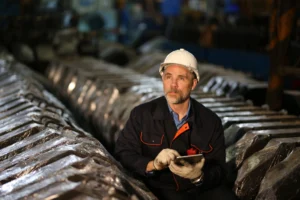
For centuries, silver has captured human imagination, from ancient coins and royal ornaments to the shining metal that symbolises wealth and purity. Yet in today’s age of innovation, silver is no longer just about luxury or beauty. It’s a strategic industrial asset, a material that connects renewable energy, electric mobility, electronics, and digital finance. And at the heart of this transformation lies one powerful process: silver mining.
As 2026 unfolds, silver is commanding renewed attention worldwide. Prices have surged to multi-decade highs, driven by booming demand from solar manufacturers, electric vehicle producers, and technology firms. Meanwhile, the global silver mining industry is working harder than ever to balance the race for higher production with environmental responsibility.
This blend of industrial necessity, economic value, and sustainability pressure makes silver mining one of the most fascinating sectors in the modern resource economy.
So what exactly is silver mining? How does the silver extraction process work? And why is it so vital for industries, investors, and countries across the globe? Let’s break it down.
What Is Silver Mining?
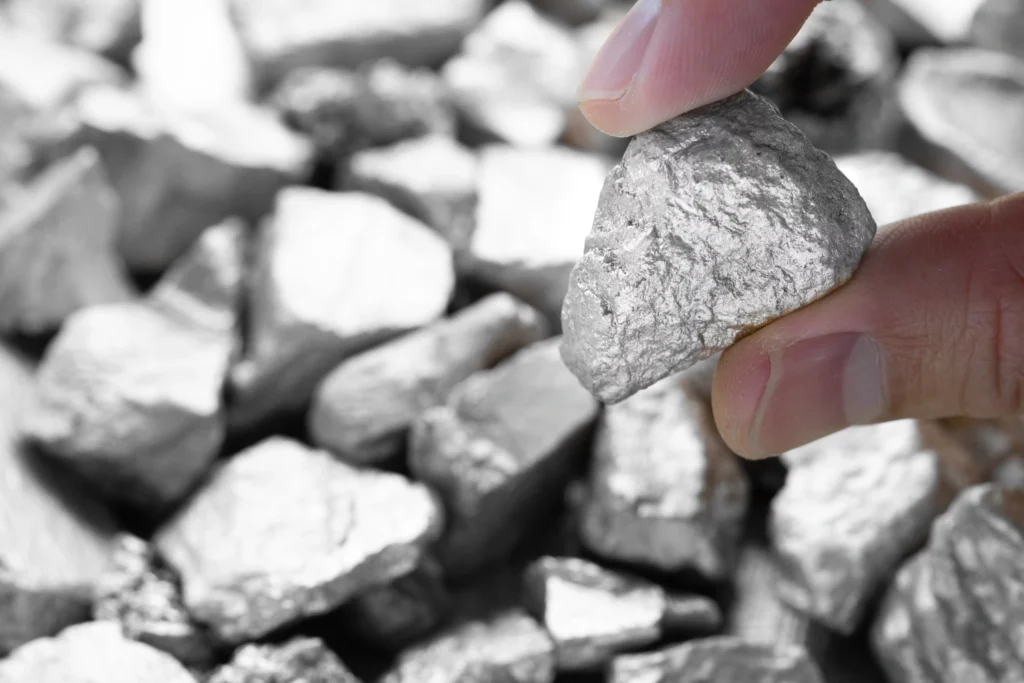
At its core, silver mining is the extraction of silver-bearing ore from the Earth. Because silver rarely occurs in pure form, miners usually find it mixed with lead, zinc, copper, or gold. The challenge is to separate silver efficiently while maintaining purity and minimising waste.
Modern silver mining combines geology, engineering, and chemistry. The process requires cutting-edge technology to detect silver deposits, advanced machinery to extract ore, and specialised refining systems to turn that ore into pure, market-ready metal.
Mining is no longer the brute-force operation it was a century ago. It is now a data-driven, environmentally monitored process that supports everything from smartphones to satellites.

The Global Silver Mining Industry
The global silver mining industry operates across more than 30 nations, employing hundreds of thousands of workers and generating billions in revenue annually. It’s an industry that touches nearly every continent — from Latin America to Asia and Eastern Europe.
Major Silver-Producing Countries
- Mexico – The Global Leader
Mexico has been the heart of silver mining for centuries. Its rich geological zones — particularly in Zacatecas, Durango, and Chihuahua — make it the world’s top producer. Mexican companies like Fresnillo plc and Industrias Peñoles consistently top global output charts. - China – Where Mining Meets Manufacturing
China integrates silver mining with massive domestic industries. Silver extracted from Chinese mines often powers local solar factories, battery makers, and electronic manufacturers. - Peru and Chile – South America’s Silver Belt
The Andes mountains host immense polymetallic deposits. Peru ranks among the top global producers, while Chile extracts large volumes of silver as a copper byproduct. - Poland – Europe’s Mining Hub
Through KGHM Polska Miedź, Poland remains Europe’s largest silver producer. Its underground mines are among the most advanced in the world. - India and Australia – The Emerging Frontiers
India’s Hindustan Zinc has rapidly expanded its silver capacity, while Australia continues to develop new high-grade deposits supported by modern geological mapping.
This geographic diversity ensures a stable global supply even when certain regions face disruptions.
The Silver Extraction Process
Mining silver is not a single act — it’s a series of interconnected steps that transform buried ore into refined metal. The silver extraction process includes exploration, extraction, concentration, and refining, with sustainability increasingly built into every stage.
1. Exploration and Geological Surveying
Geologists begin by studying rock formations and using satellite imagery to identify areas likely to contain silver ore. Sophisticated seismic mapping, core drilling, and geochemical sampling confirm where and how deep silver deposits are located.
2. Mine Planning and Development
Once a deposit is confirmed, mining companies design detailed blueprints for extraction. This involves creating tunnels, access roads, and ore processing infrastructure. Mines may be open-pit, where deposits lie near the surface, or underground, where tunnels extend deep below.
3. Extraction and Transportation
Large-scale machinery removes ore from the site.
- Open-pit mining employs excavators and haul trucks to collect ore from surface layers.
- Underground mining uses shafts and tunnels supported by ventilation systems and safety controls.
Ore is then transported to processing facilities nearby.
4. Crushing, Grinding, and Concentration
The extracted ore undergoes crushing to break it into smaller particles. It’s then ground into a fine powder and subjected to froth flotation — a process that separates silver-bearing minerals from waste rock using air bubbles and chemical reagents.
5. Smelting and Refining
Concentrated silver is smelted in furnaces at high temperatures to remove impurities. Electrolytic refining follows, producing silver bars with purity exceeding 99.9%. These bars are then sold to manufacturers or investors.
6. Waste Recycling and Environmental Control
Modern operations recycle up to 80% of process water and use lined tailing systems to prevent contamination. Emissions and waste are monitored under strict environmental standards, especially in large-scale mines in Mexico, Canada, and Poland.
Why Silver Mining Is So Important Today
The importance of silver mining extends across every layer of the global economy. Silver’s unique physical and chemical properties make it indispensable in numerous industries. Below are the main reasons it holds such enormous importance in 2026 and beyond.
1. Foundation of Modern Industry
Silver conducts electricity and heat better than any other metal. It is used in:
- Smartphones, laptops, and appliances.
- Batteries, circuit boards, and microchips.
- Aerospace equipment and automotive sensors.
Without a consistent silver supply, global manufacturing would face massive slowdowns.
2. Powering Renewable Energy
Every solar panel contains silver paste that conducts electric current generated by sunlight. As the world races toward carbon neutrality, solar power growth directly increases silver demand. Analysts estimate that renewable energy now consumes over 15% of annual silver output.
3. Driving Electric Mobility
Electric vehicles use nearly twice as much silver as conventional cars. From battery systems to charging units, silver ensures stable conductivity and long life cycles.
4. Enabling Healthcare and Technology
Silver’s antibacterial properties make it vital for medical instruments, wound dressings, and hospital coatings. It’s also used in clean energy sensors, 5G equipment, and high-performance computing systems.
5. Supporting Global Economies
Silver mining provides direct and indirect employment to millions worldwide. Exporting nations like Mexico and Peru rely heavily on mining revenues to strengthen GDP, infrastructure, and community development.
Silver mining, therefore, isn’t just an industrial process—it’s an ecosystem that sustains modern civilisation.

Top Silver Mining Companies in the World
The top silver mining companies define global output and influence pricing, innovation, and sustainability practices. Here are the key players shaping the industry:
- Fresnillo plc (Mexico) – The world’s largest primary silver producer. Operates some of the richest deposits globally with a strong focus on innovation.
- Pan American Silver (Canada) – A leading producer with diversified mines across Latin America, emphasising eco-friendly mining methods.
- Hecla Mining (USA) – North America’s top silver producer, known for technological safety innovations in underground mines.
- Industrias Peñoles (Mexico) – One of the oldest mining companies, integrating silver, zinc, and chemical operations with a robust refining network.
- KGHM Polska Miedź (Poland) – Europe’s mining giant producing large amounts of silver as a copper byproduct.
- First Majestic Silver (Mexico) – A fast-growing company selling refined silver directly to investors, bridging mining and retail investment.
- Glencore (Switzerland) – A global resource powerhouse producing silver through polymetallic mining operations.
- Hindustan Zinc (India) – Asia’s rapidly expanding producer, utilising cutting-edge refining techniques.
- Buenaventura (Peru) – Focused on sustainable mining and community-led operations in South America.
- Coeur Mining (USA) – Diversified mining firm recognised for innovation and strong environmental management.
These firms not only ensure supply but also drive forward environmental technology, safety, and social responsibility standards across the global silver mining industry.
How Silver Mining Impacts Global Markets
Silver mining plays a silent yet powerful role in global economics. Its impact extends far beyond commodity exchanges.
- Industrial Linkages: Silver connects the mining sector to renewable energy, electronics, and healthcare — creating a chain reaction of growth across industries.
- Trade and Currencies: Countries that export silver gain stronger foreign reserves, stabilising their economies during market fluctuations.
- Technological Progress: Silver fuels global innovation in clean energy and computing. Without it, advancements in AI, robotics, and EVs would stall.
- Sustainability Incentives: Investors now prioritise environmentally responsible miners, reshaping market valuations and access to capital.
Silver mining thus remains both an industrial driver and a financial stabiliser for global markets.
Environmental Challenges and Sustainable Practices
No mining operation is without environmental impact, but silver miners are leading the shift toward sustainability. The focus is now on eco-conscious production and long-term rehabilitation.
Water Management
Water scarcity has driven innovation in recycling systems. Many mines now recycle over 70% of process water, using closed-loop filtration that prevents local depletion.
Tailings and Waste Handling
Tailings — the leftover rock after ore processing — are stored in lined facilities to prevent leaks. Some companies repurpose tailings in cement or construction materials.
Renewable Power in Mining
Several top producers, including Pan American Silver and Fresnillo, have introduced solar and wind systems to power mine operations, significantly reducing carbon emissions.
Rehabilitation and Biodiversity
Post-mining restoration involves planting vegetation, stabilising soil, and creating reservoirs or farmlands from reclaimed pits. This ensures that mined land returns to productive use.
The mining sector is gradually proving that productivity and environmental care can coexist.
Technology in Modern Silver Mining
Innovation is revolutionising how the silver extraction process works. Advanced digital systems, artificial intelligence, and automation now guide daily operations.
Key advancements include:
- AI Exploration: Machine learning algorithms identify potential ore zones faster and more precisely than traditional surveys.
- Automation: Autonomous trucks and drills improve efficiency and reduce human exposure to hazards.
- Drones and Sensors: Real-time monitoring of mines improves safety and optimises resource extraction.
- Smart Plants: Automated processing units adjust parameters dynamically to maximise recovery rates.
- Blockchain Traceability: Some companies use blockchain to trace silver from mine to market, ensuring ethical sourcing.
These technologies are not only transforming efficiency but also reshaping silver mining’s image as a forward-looking, sustainable industry.
Challenges Facing Silver Mining
Even as technology advances, silver mining faces persistent obstacles that shape its future direction.
- Declining Ore Grades: High-grade deposits are becoming rarer, forcing deeper exploration and higher costs.
- Environmental Regulations: Stricter rules demand more investment in compliance and waste management.
- Price Volatility: Global silver prices fluctuate with industrial cycles and monetary policy changes.
- Labour Shortages: Advanced equipment needs skilled technicians — a growing gap in many mining regions.
- Community Expectations: Public awareness around environmental protection continues to grow, pressuring miners to maintain ethical operations.
Overcoming these challenges requires continuous adaptation and strong collaboration between companies and governments.
Why Silver Mining Will Remain Vital
Silver mining’s importance will only grow as the world embraces renewable energy and digital infrastructure. Silver’s unmatched properties ensure it remains central to modern life.
- Energy Transition: As solar, wind, and EV adoption accelerate, silver demand will continue to rise.
- Global Development: Silver mining will keep supporting jobs, trade, and local economies.
- Technological Expansion: Every technological leap — from 5G to space exploration — increases the need for pure silver.
- Sustainability Shift: The next decade will see a rise in green mines that meet ESG standards without sacrificing output.
The world’s largest silver producers are already investing in cleaner, smarter systems to meet the rising expectations of a connected planet.

Conclusion: The Metal That Connects Progress and the Planet
Silver mining tells a story of transformation from ancient treasure to the cornerstone of modern innovation. It links the Earth’s natural resources to the technologies powering our daily lives.
In 2026, the global silver mining industry stands stronger and more responsible than ever. Its evolution reflects humanity’s capacity to innovate responsibly and balance growth with preservation. As industries move toward sustainability, the importance of silver mining will continue to shine — not just as a symbol of wealth, but as the silent force driving a cleaner, smarter, and more connected world.
Read here to learn more about Silver ETFs vs Physical Silver: Which Option Feels Safer in 2026

I’m Chaitali Sethi, a financial writer and market strategist focused on Forex trading, market behaviour, and trader psychology. I simplify complex market movements into clear, practical insights that help traders make better decisions and build a stronger trading mindset.